

The Complete Roadmap to Becoming a Professional Sound Engineer
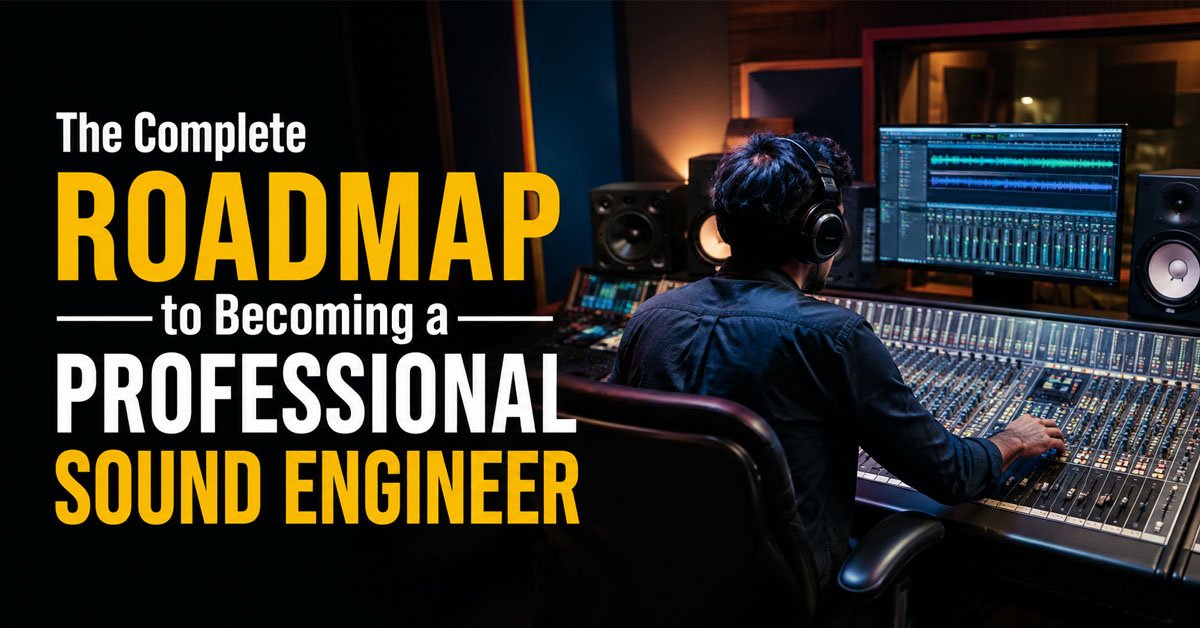

Ask anyone who works in a studio and they’ll tell you the same thing: sound engineering looks glamorous from a distance and feels like hard work up close. Every song stuck in your head, every film scene that gave you chills, every podcast that sounded clean and warm, someone sat behind a console and made that happen. If you’ve been circling the idea of joining music production courses in Chennai but keep putting it off, here’s the honest truth. This career rewards people who show up consistently more than it rewards raw talent alone. It’s not an easy road, but it’s a fair one. In this blog, we will take a closer look at what it actually takes to become a professional sound engineer, starting from the basics and moving toward your first real job.
What Does a Sound Engineer Actually Do
Let’s clear this up first, because a lot of people get it wrong. A sound engineer handles the technical backbone of audio, that includes recording, mixing, mastering, and often live sound work too. It’s not just twisting knobs and nodding along to a track. You’re shaping the way a listener feels about what they’re hearing, whether that’s a song, a film scene, or a voiceover. Some engineers never leave the studio. Others spend half their year on tour with a band, dealing with unpredictable venues and grumpy sound systems. A fair number split time between studio sessions and film post work. The job asks for technical know-how and a decent set of ears, and honestly, one without the other doesn’t get you very far.
Getting the Foundation Right
Very few engineers who make it in this field skipped formal training. A solid diploma or certification program walks you through signal flow, acoustics, mic techniques, and the basics of working inside a digital audio workstation. YouTube tutorials have their place, sure, but they won’t teach you why a room sounds the way it does or why a session needs discipline instead of guesswork. Institutes built specifically around audio training give students actual studio time, and that’s something a bedroom setup just can’t offer. It’s also usually where you meet the people you’ll be collaborating with for years afterward.
Time Behind the Gear
Reading about compression is one thing. Actually hearing it change a vocal take is another. You need real hours with consoles, microphones, and software like Pro Tools, Logic Pro, or Ableton Live. Sit with EQ until your ears start catching small differences without needing a meter to tell you what’s happening. A few habits worth picking up early:
- Try recording the same instrument with different mic placements and compare
- Mix a track on studio monitors, then check it on cheap earphones and a car stereo
- Practice fixing hardware problems fast, because live sessions won’t wait for you
None of this feels exciting in the moment. But it’s exactly what separates someone who guesses from someone who knows.
Finding Your Lane
Sound engineering isn’t one job, it’s several disguised as one. Some engineers stick to music, working closely with artists to build a track from a rough idea into a finished record. Others move into film and television, handling dialogue cleanup, foley work, and the final mix for a show or movie. Live sound is its own beast entirely, full of split second decisions where a mistake plays out in front of a crowd and there’s no undo button. Game audio and podcast production are newer lanes too, and they’re less crowded than people think. You don’t have to pick a specialty on day one. Most engineers stay flexible for the first couple of years before something clicks.
Internships Teach What Classrooms Can’t
Classes give you the theory. Internships give you the instincts. Sitting in on real sessions exposes you to tight deadlines, moody clients, and last minute changes that no textbook prepares you for. Even an unpaid stint at a decent studio is worth it early on, because the relationships you build often matter more than what’s in your wallet at that stage. A lot of engineers land their first paying gig at the exact studio where they once made coffee and coiled cables.
Building a Portfolio That Actually Gets Noticed
Nobody’s hiring you off a resume in this field. They want to hear your work. Start collecting mixes and recordings, even the ones from your training days, and put them somewhere people will actually find them. Collaborate with independent musicians who need an engineer but can’t afford a big studio yet. Show up to local gigs and studio events, because word of mouth still beats a cold application nine times out of ten.
Where It Can Take You
With training and a bit of experience behind you, doors open across studios, production houses, event companies, and streaming platforms. Some engineers eventually build their own studio from scratch. Others prefer the steady rhythm of working inside an established setup. Freelancing has grown fast too, letting engineers juggle music, film, and ad work all at once instead of picking just one.
Becoming a sound engineer isn’t about talent falling into your lap. It’s built through curiosity, patience and hours that don’t always feel glamorous. At Tase Sound Engineering, we’ve watched complete beginners turn into engineers who now work confidently across studios and live shows. Our focus has always been on real studio exposure over theory heavy lessons, because that’s genuinely what prepares someone for a career in sound engineering India. If you’re serious about making this your profession, TASE will walk with you through every step of that journey.